

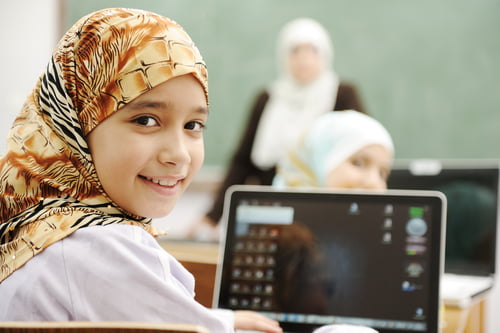
Cultural Adjustment and Curriculum Consistency: Helping Your Child Thrive in a UAE School
21/11/2025 / Online TutoringMoving to the UAE and enrolling your child in a new school is a significant milestone for any family. The country’s educational landscape is remarkably diverse, offering opportunities for children to develop academically, socially and personally in an environment that brings together cultures from all over the world. Yet, alongside the excitement, many parents naturally wonder how their child will adapt to new expectations, fresh routines and unfamiliar cultural dynamics.
Despite these early concerns, children often adjust far more quickly than expected, especially when parents understand the structure and ethos of UAE schools. With thoughtful support and awareness of what lies ahead, families can make this transition not only manageable but richly rewarding. This expanded guide explores both cultural adjustment and curriculum consistency, helping you feel confident and well-informed as your child begins their UAE school journey.
Understanding the UAE School Environment
The UAE’s school environment stands out because of its international character. Children frequently join classrooms filled with peers from a wide range of cultural and linguistic backgrounds, often encountering classmates from countries they may never have heard of before. This diversity is not merely a feature of daily life; it is woven into teaching approaches, pastoral support structures and school-wide celebrations. Festivals from different cultures are acknowledged, languages are heard and shared across corridors, and children learn early on that the classroom is a space where differences are accepted, shared and appreciated. This environment encourages curiosity, empathy and a natural openness to the world around them.
Teachers in the UAE tend to be highly experienced in supporting students who are new to the school or even new to the country altogether. They understand that settling in involves more than academic placement or meeting age-related expectations. It includes helping children interpret subtle social cues, understand new behavioural expectations and build relationships with classmates who may come from entirely different cultural backgrounds. Schools often design induction programmes specifically for new students, including orientation days, buddy systems and regular check-ins with pastoral teams. These early structures give children a sense of stability and belonging, helping them feel anchored even as they navigate unfamiliar routines.
Parents may also notice that many schools place a strong emphasis on wellbeing. For example, schools routinely incorporate mindfulness activities, social-emotional learning sessions and inclusive community events that bring families together and foster a shared sense of community. Counsellors and wellbeing leads are often on hand to offer guidance, ensuring that children feel supported both academically and emotionally. This holistic approach ensures that academic growth does not occur in isolation but alongside emotional and social development, helping children build resilience and confidence as they settle into their new environment.
Maintaining Curriculum Continuity
Curriculum continuity is one of the central concerns for families relocating to the UAE. Parents understandably want reassurance that their child will not fall behind or face unnecessary gaps in learning, especially when moving between different educational systems. Fortunately, many international schools in the UAE provide curriculum frameworks aligned with globally recognised systems, helping children settle academically with minimal disruption. These schools are well practised in supporting pupils who join mid-year or arrive from varied educational backgrounds, making academic transition a regular part of school life rather than an exception.
Families coming from the British educational system will find a particularly strong presence of British schools across the UAE. These institutions typically follow the National Curriculum for England, meaning that subjects, learning progressions and assessment types will feel familiar to both parents and children. Classrooms tend to adopt teaching styles similar to those used in the UK, and the structure of year groups, subjects and pastoral systems mirrors what families may already know. Even schools that blend curricula—such as those integrating British and IB elements—tend to maintain clear academic pathways, ensuring children can transition smoothly between year groups and continue their learning journey with confidence.
Before your child begins, it is sensible to gather school reports, reading assessments and records of any additional learning needs or enrichment achievements. UAE schools place considerable value on receiving this information early, as it enables teachers to plan differentiated instruction and identify where additional support may be needed. This might include English language support, catch-up sessions, or extension activities for children performing above expected standards. Sharing this background helps schools create a more personalised, settled experience in the first few weeks, reducing unnecessary stress for the child.
It is also helpful for parents to understand that UAE schools generally employ rigorous internal assessment systems. Rather than replacing the curriculum, these assessments work alongside it, giving teachers a clear picture of each child’s strengths and areas for development. They are designed not to pressure the child but to ensure that the curriculum remains consistent and that progress is closely monitored. Over time, this approach contributes to long-term continuity, ensuring your child remains well-prepared whether they stay in the UAE for several years or transition back to another educational system later. These structures ultimately provide stability, helping children feel secure as they adapt to their new academic surroundings.
You may also find our detailed guide on how SATs, GCSEs and A-levels compare within the British curriculum helpful, which you can read here >
Navigating Cultural Adjustment as a Family
The process of cultural adjustment is unique for every child and rarely follows a perfectly smooth path. Some children appear to settle almost immediately, embracing new routines and friendships with enthusiasm. Others may take longer, showing signs of uncertainty or homesickness during the early weeks. Both responses are perfectly normal. What matters most is that children feel supported, understood and given the time they need to adapt in a way that feels natural to them.
Life in the UAE offers a distinctive combination of cultural richness and modern convenience. Families often find the country remarkably welcoming, with safe communities, approachable neighbours and schools that value inclusion. Yet, for a child who has just left behind familiar friends, favourite places and established routines, even the most vibrant new environment can feel overwhelming at first. They may need help understanding daily expectations, such as new school timings, lunch arrangements or the etiquette observed in public spaces.
Parents play a central role in easing this transition. Simple, consistent conversations about the school day can help children process what they are experiencing, offering them a safe space to voice small worries or celebrate new achievements. Reassuring them that it is normal to feel a mixture of excitement and uncertainty allows them to see these feelings as part of the journey rather than signs of difficulty.
Maintaining elements of home life—like favourite meals, family traditions or regular weekly activities—can also create a comforting bridge between old and new. These familiar anchors help children feel grounded amidst change.
Schools in the UAE also provide strong pastoral support to help families settle. Cultural celebrations, parent coffee mornings and whole-school events create natural opportunities to build community connections. Participating in these activities helps children feel part of something larger and gradually understand the rhythm and personality of their new environment. Over time, these shared moments shape a sense of belonging that strengthens both confidence and emotional resilience.
Building Confidence and Academic Progress
As children begin to find their footing in their new school environment, their confidence tends to grow steadily. UAE schools encourage an educational approach that values curiosity, independence and meaningful participation. Classrooms often feature collaborative activities, open discussions and project-based learning, all of which invite children to express themselves, ask questions and explore new ideas without fear of getting things wrong.
In the early weeks, progress may appear in small but important steps: answering a question in class, remembering the day’s routine, making a new friend or choosing to join an after-school club. These seemingly modest achievements signal that your child is beginning to feel secure and capable. Offering gentle praise for these milestones reinforces their confidence and helps them build momentum academically and socially.
Parent-school communication plays a significant role during this stage. Teachers in the UAE are generally proactive in reaching out to families, sharing updates and encouraging an open dialogue. Regular conversations with your child’s teacher—whether through emails, scheduled meetings or informal chats—can provide valuable insight into how your child is progressing. This also allows any emerging concerns, such as gaps in understanding or hesitations in social interaction, to be addressed early and with sensitivity.
Extracurricular activities are another key element of confidence-building. With a broad range of options—from sports and performing arts to robotics and cultural clubs—children are encouraged to explore their interests and discover new talents. Participation in these activities helps them form friendships beyond their immediate class and develop a sense of identity within the wider school community.
Over time, as routines become familiar and learning feels purposeful, children typically show a renewed enthusiasm for school. Their growing sense of independence, combined with consistent support from both home and school, lays the foundation for ongoing academic success and emotional wellbeing.

Planning for Long-Term Success
Thinking ahead becomes easier once your child feels settled and confident. The UAE’s international schools provide clear pathways toward recognised qualifications, including IGCSEs, A-levels, the IB Diploma and various national programmes. This ensures that students remain competitive and prepared for global opportunities, whether they pursue university education within the region or abroad.
Parents will find a wealth of resources available to support long-term planning, from parent associations to school guidance counsellors who specialise in academic pathways. It can also be helpful to explore international education organisations, such as the Council of International Schools, which offer guidance on global educational transitions.
Ultimately, cultural adjustment and curriculum consistency are not separate challenges but intertwined parts of your family’s journey. With patience, communication and an understanding of the UAE’s educational approach, your child can develop not only academic strength but the intercultural awareness that comes from learning in such a dynamic global environment. The result is a more confident, adaptable and globally minded young person who is well-prepared for the years ahead.
How Principal Tutors Can Support Your Child’s Transition to a UAE School
Starting a new school in the UAE is an exciting step for any family, but it often comes with a number of practical and emotional considerations. Every child approaches this transition differently, bringing their own combination of strengths, anxieties and expectations. Having knowledgeable support in place can make the experience far more reassuring. At Principal Tutors, we understand the pressures parents face when navigating unfamiliar curricula, interpreting school requirements and supporting a child’s wellbeing while they adjust to a completely new educational environment. Our one-to-one online tutoring, delivered exclusively by fully qualified UK teachers, offers targeted, dependable guidance that aligns with both your child’s needs and the expectations of leading international schools in the UAE.
Our tutors focus not only on strengthening academic foundations but also on equipping children with the wider skills that help them settle confidently into an international setting. This may include consolidating key literacy and numeracy skills, filling gaps created by curriculum differences, building language confidence and developing flexible thinking to adapt to new classroom approaches. Just as importantly, we support children in building resilience, independence and calm strategies for managing change—qualities that make a tangible difference as they establish new routines, form friendships and navigate an unfamiliar school culture.
If you’d like to learn more about how Principal Tutors can help your child transition smoothly and successfully, please call us on 0800 772 0974. You can also request a tutor through our short online form, and we’ll be in touch to discuss your child’s learning needs and the personalised support we can offer.
Mike
We are so happy with our 11+ tutor, she is always very professional and approachable, and she is helping my son to gain in confidence for his grammar school entrance exams next term.
Sheila
Very happy with the Tutor who is working with my daughter for the 11+. He always replies to emails promptly, engages my daughter during the online lesson, and she's enjoying the work. Thank you.
Nicole
We were recommended a tutor for our needs very quickly and were able to start immediately. My daughter is getting tutoring for her 11+ exam and according to her, the tutor is amazing. There is a long way until the exam but she managed to bust my daughter's confidence in Maths. Thank you!
Danielle
Thank you for recommending such an amazing physics tutor for my son. We are now confident he will achieve the graded he needs to get into the uni of his choice, which is all down to the support we received from Principal Tutors and our wonderful tutor.
